


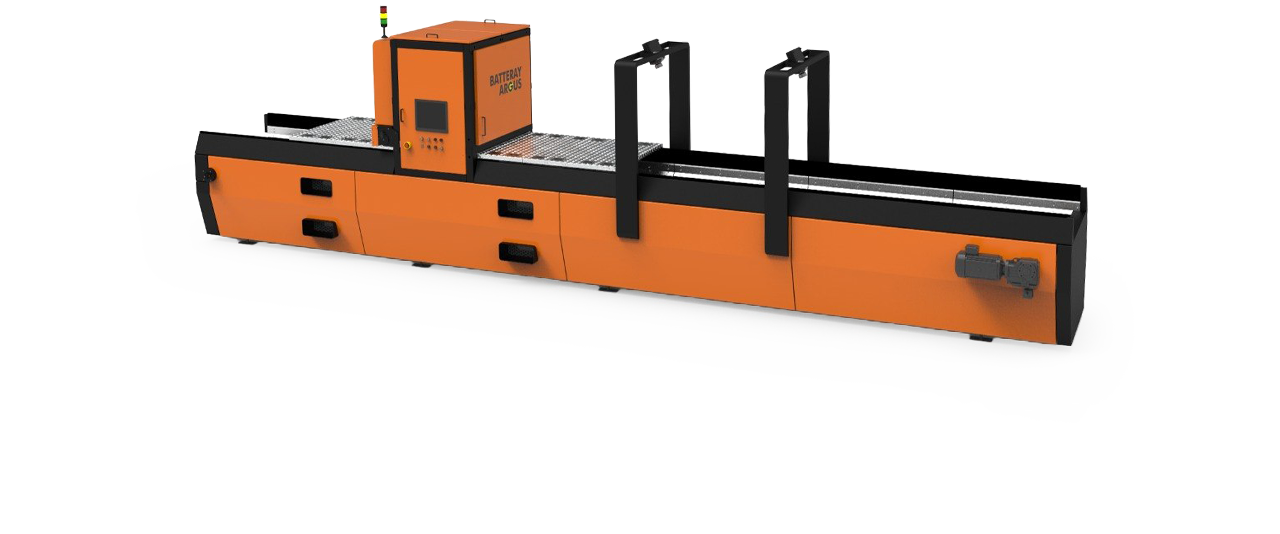
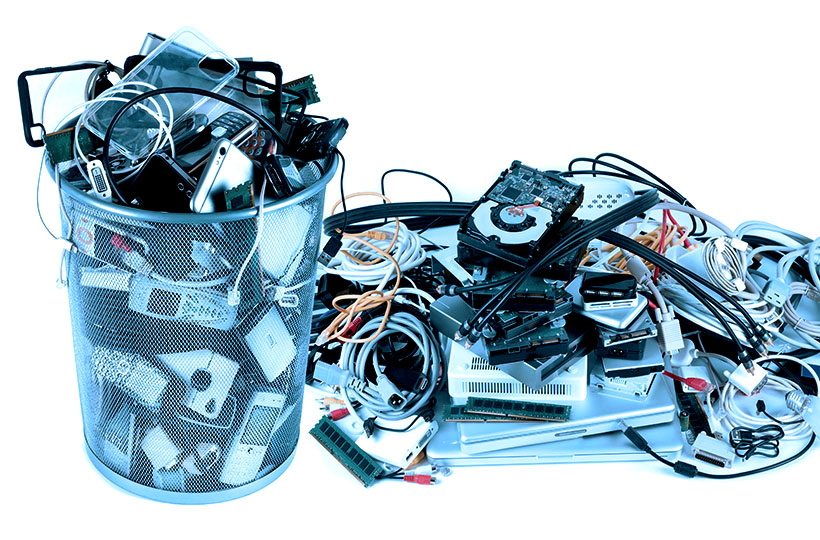
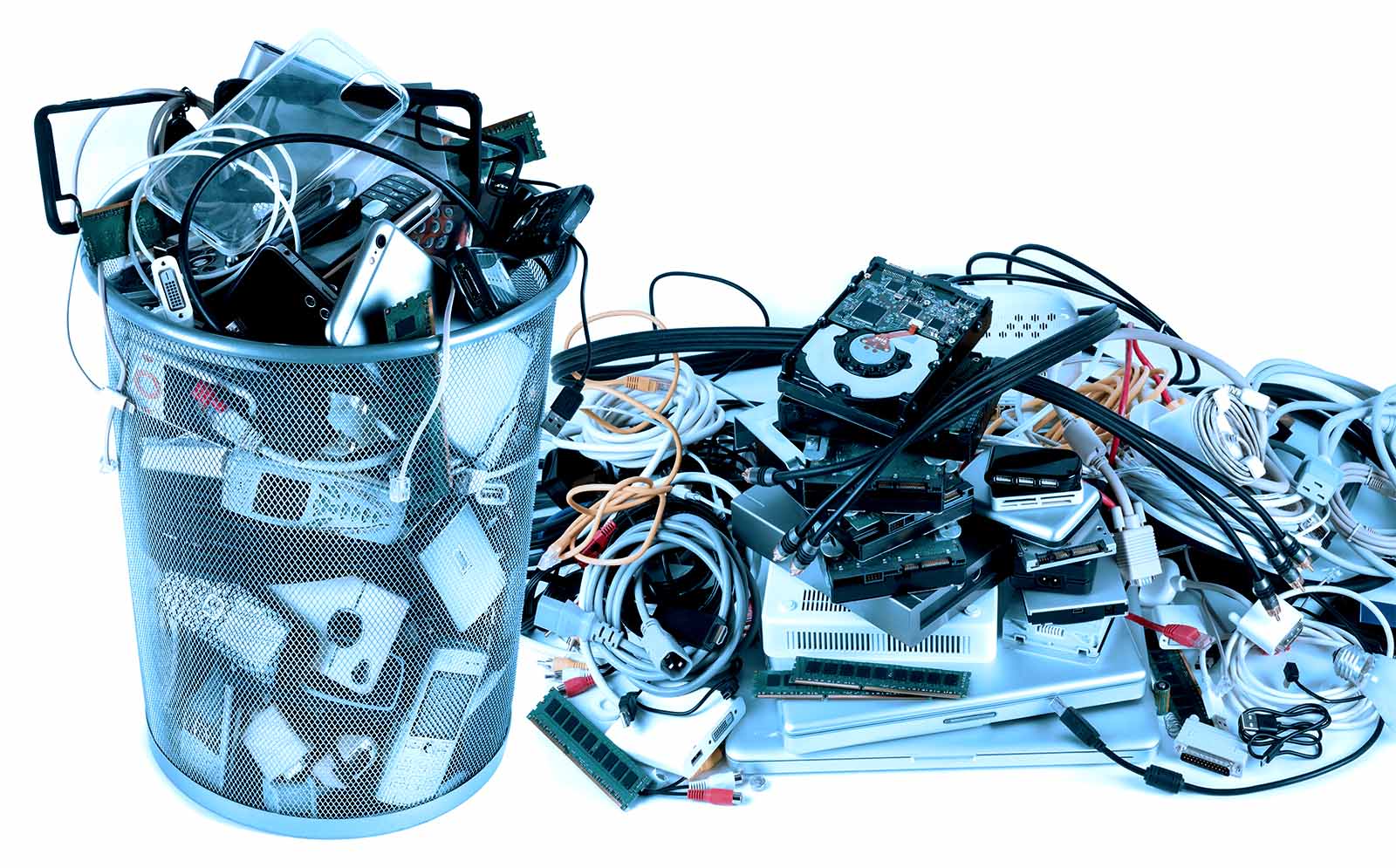
Hidden Li-ion and Ni-MH batteries are among the most dangerous contaminants in waste and e-waste recycling. They can remain concealed inside electronics, plastic housings, dirty material or mixed waste until they reach shredders, balers or downstream processing equipment.
BATTERAY ARGUS helps recycling plants, MRFs and WEEE processors detect these battery hazards early. Using AI-powered X-ray and optical sensing, the system identifies hidden batteries and battery-containing devices that manual inspection or standard optical sorting can miss.
- Hidden Battery Hazards: Detects batteries inside devices, casings, mixed waste and contaminated material.
- Fire and Equipment Risk: Helps reduce ignition sources before shredding, compacting or baling.
- Real-Time Removal Support: Provides detection guidance for manual picking or automated rejection.
- Changing Waste Streams: Supports safer processing as more portable electronics, e-cigarettes and rechargeable devices enter the waste flow.
Developed and manufactured by LINEV Systems, BATTERAY ARGUS brings advanced AI battery detection to mixed waste, e-waste, commercial waste and paper streams, helping recycling facilities protect people, equipment and downstream operations.
More about LINEV Systems

Safer Recycling Starts with Hidden Battery Detection
BATTERAY ARGUS is an AI-powered battery detection system designed for recycling plants, MRFs, WEEE processors and waste management facilities that need to identify hidden battery hazards before they reach critical processing stages. Instead of relying on visual inspection alone, the system combines X-ray and optical sensing to detect batteries concealed inside mixed waste, e-waste, paper streams and battery-containing devices.
Built for Early Battery Hazard Detection
The system is designed around one practical goal: to help operators find hazardous batteries early enough to remove them from the material stream. Li-ion and Ni-MH batteries can be hidden inside casings, covered with dirt, wrapped in plastic or embedded in small electronic products. BATTERAY ARGUS uses AI analysis of X-ray and optical data to reveal these objects before shredding, baling, compacting or downstream processing.
X-Ray and Optical Sensing in One Workflow
Optical data helps recognize the visible shape, color and external features of waste objects. X-ray imaging adds the internal view needed to detect batteries and electronic assemblies that cannot be reliably identified from the outside. By combining both data sources, BATTERAY ARGUS supports more reliable battery detection in complex, contaminated and fast-changing waste streams.
Detection First. Removal Configured to Your Line.
BATTERAY ARGUS is not limited to one fixed sorting concept. The system can support real-time detection guidance for manual battery picking or be configured with automated rejection, depending on the material flow, plant layout and operational requirements. This makes it suitable for facilities that want to start with operator-assisted battery removal as well as plants planning a higher level of automation.
Designed for Real Waste Conditions
Waste streams are becoming more difficult to control as portable electronics, rechargeable devices and embedded batteries appear in more product categories. BATTERAY ARGUS is designed to work with variable material composition, including mixed municipal solid waste, commercial waste, biodegradable waste, WEEE/e-waste and paper waste. The system helps operators respond to hidden battery risks without slowing the entire recycling process.
AI-Based Decision Support
The software analyzes X-ray and optical information in real time and highlights detected battery hazards for removal. This supports operators with clearer decision-making, reduces dependence on visual inspection alone and helps create a more controlled process before high-risk stages such as shredding, compacting or baling.
Target material streams:
- Mixed Municipal Solid Waste
- Commercial Waste
- Biodegradable Waste
- WEEE and e-waste streams
- Paper and cardboard waste streams
3D View
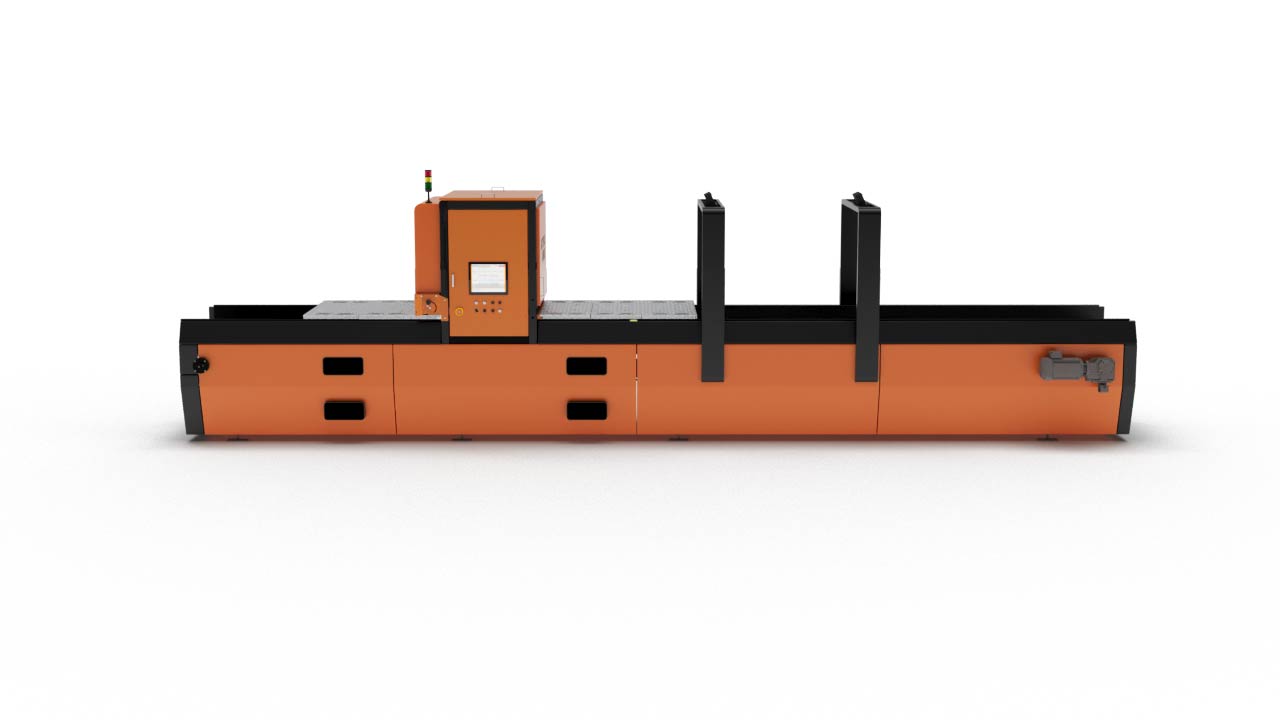
Detectable battery hazards:
- Li-ion batteries and battery packs
- Ni-MH batteries and battery packs
- Batteries hidden inside electronic devices
- Battery-containing small appliances
- E-cigarettes and compact rechargeable devices
- Power tool batteries and portable electronics
- Battery assemblies inside plastic casings
- Batteries wrapped in plastic or covered with dirt
- Suspicious dense objects requiring operator attention
Removal configurations:
- Manual battery picking with real-time detection guidance
- Operator alerts for suspicious battery-containing objects
- Automated rejection system integration
- Line-specific configuration for existing recycling workflows
- Real-time data and process control integration
Key features of BATTERAY Argus

AI-Driven Dual Sensing
Combines X-ray and optical recognition to detect batteries hidden inside complex waste and e-waste streams.

Over 95% Detection Efficiency
Identifies batteries and battery-containing devices from target fractions with over 95% detection efficiency.

Up to 10 t/h Throughput
Supports adjustable processing capacity from 2 to 10 t/h, depending on material type and line configuration.

1200 mm Conveyor Width
Handles wide material flows with a 1200 mm conveyor, suitable for popular types of waste streams.

Hidden Li-ion & Ni-MH Detection
Detects Li-ion and Ni-MH battery packs, including batteries concealed inside casings, devices or contaminated material.

Flexible Battery Removal
Supports manual picking with real-time guidance or integration with automated rejection systems.
AI-Driven Dual Sensing
Combines X-ray and optical recognition to detect batteries hidden inside complex waste and e-waste streams.
Over 95% Detection Efficiency
Identifies batteries and battery-containing devices from target fractions with over 95% detection efficiency.
Up to 10 t/h Throughput
Supports adjustable processing capacity from 2 to 10 t/h, depending on material type and line configuration.
1200 mm Conveyor Width
Handles wide material flows with a 1200 mm conveyor, suitable for popular types of waste streams.
Hidden Li-ion & Ni-MH Detection
Detects Li-ion and Ni-MH battery packs, including batteries concealed inside casings, devices or contaminated material.
Flexible Battery Removal
Supports manual picking with real-time guidance or integration with automated rejection systems.
One Technology. Multiple Recycling Applications.
One Technology. Multiple Recycling Applications.
BATTERAY ARGUS is built on an AI-powered X-ray inspection platform that can be configured for different recycling and material recovery tasks. By combining X-ray imaging, AI recognition models and application-specific sorting logic, the system can be adapted to changing waste streams and business goals.
Compost & Organics
- Battery removal
- Hazardous object detection
- Protection before composting
Glass Recycling
- Glass separation from municipal waste
- Color sorting support
- Glass quality improvement
Plastic Recycling
- Plastic recovery from mixed waste
- PET detection support
- PP, HDPE and LDPE applications
Growing With Your Business
Start with BATTERAY ARGUS for battery detection and expand the platform as your recycling line becomes more automated.
BATTERAY ARGUS
AI battery detection for waste and e-waste streams.
Add Air Jet Module
Automated rejection of detected battery hazards.
Add Robot Manipulator
Targeted object removal for complex material streams.
Choose BATTERAY ZETA
Move from detection to battery classification and chemistry sorting.
Choose BATTERAY Platform
Build a full solution for detection, sorting, removal and process control.
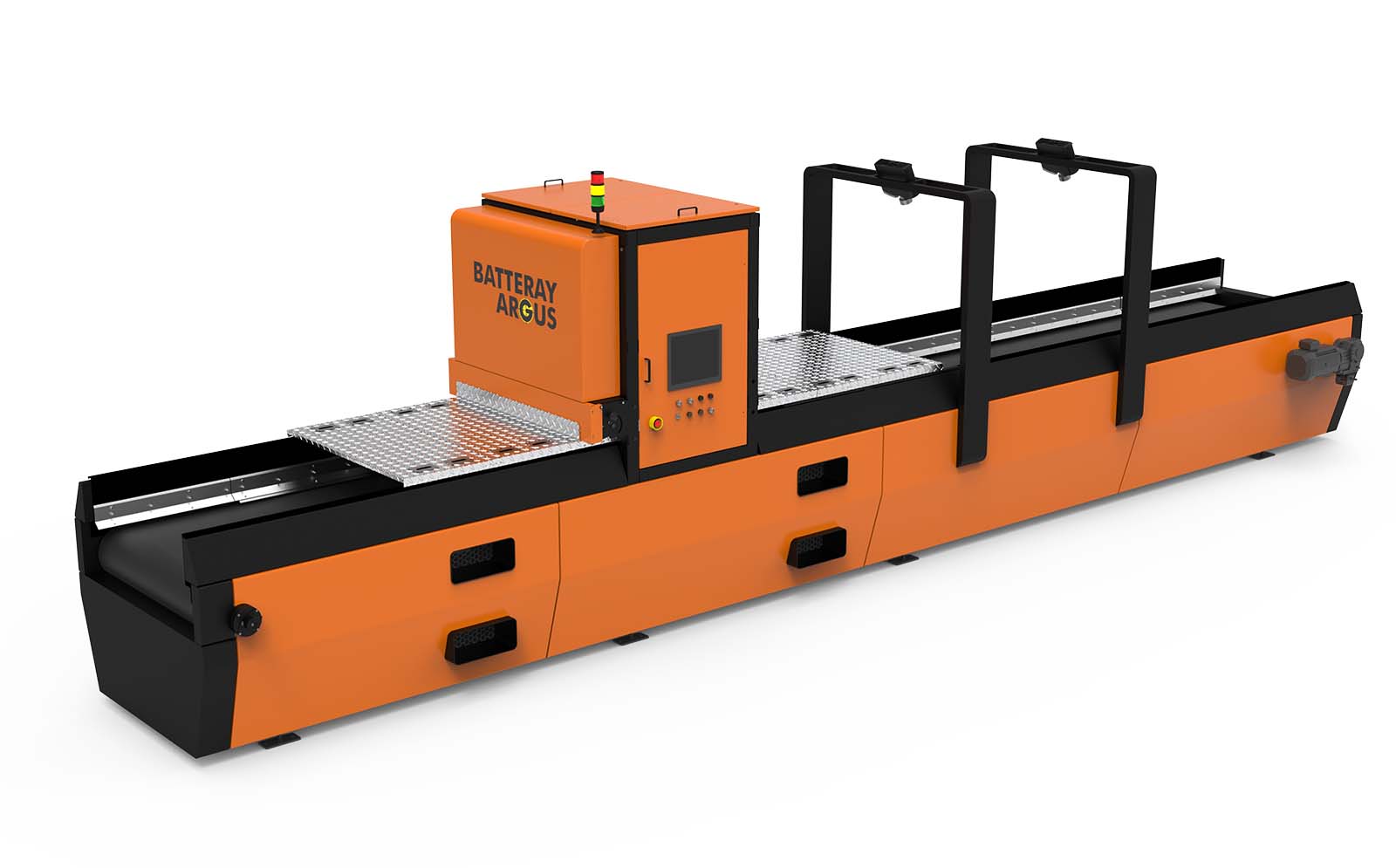
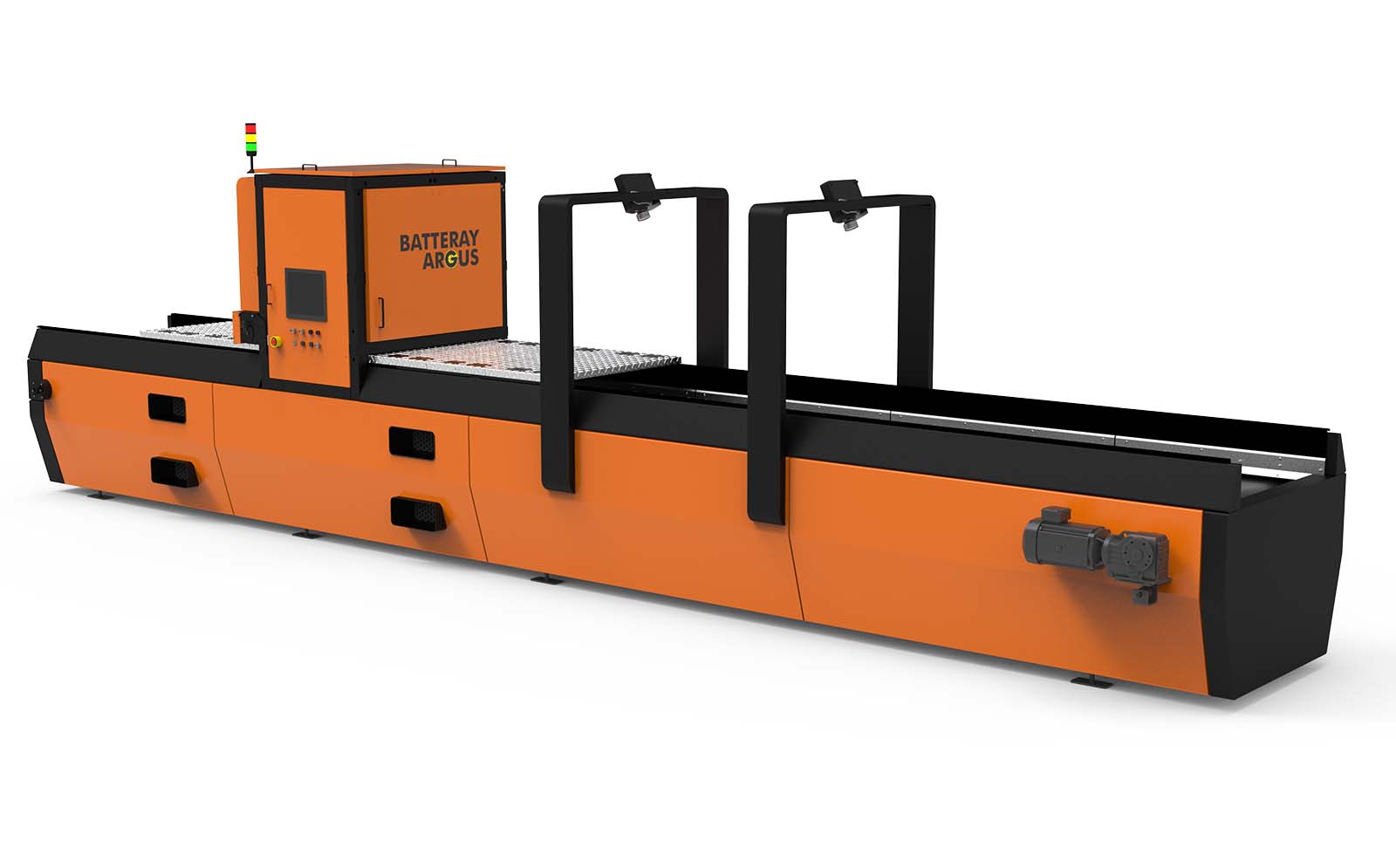


Find batteries inside e-waste, mixed waste, plastic housings and “black box” electronic devices

Remove ignition sources before shredding, baling, compacting or downstream processing.

Help prevent equipment damage, unplanned downtime and costly disruptions in recycling facilities.

Product Videos
Technical data
Detection performance
| Detection technology | AI-driven X-ray + Optical sensing |
| Detection efficiency | Over 95% from target fractions |
| Detected object size | 10-250 mm |
| Target objects | Batteries and battery-containing devices |
Throughput and conveyor
| Total stream throughput | 2-10 t/h, material dependent |
| Conveyor speed | 0.5-1.0 m/s |
| Conveyor width | 1200 mm |
| Removal configuration | Manual picking guidance or automated rejection |
Input material
| Mixed Municipal Solid Waste | Supported |
| Commercial Waste | Supported |
| Biodegradable Waste | Supported |
| WEEE / e-waste stream | Supported |
| Paper Waste | Supported |
Platform and utilities
| Power supply | 3-phase, 400 V, 50/60 Hz, 22.5 kVA* |
| Pneumatic system | 8 bar, ISO 8573-1:2010 Class 5:3:3* |
| Operating time | 20 hours/day or more* |
| Overall dimensions | 9250 x 8120 x 4500 mm* |
*Preliminary platform data. Final specifications depend on line configuration, removal method and project requirements.
Detection performance
| Detection technology | AI-driven X-ray + Optical sensing |
| Detection efficiency | Over 95% from target fractions |
| Detected object size | 0.4-9.8 in |
| Target objects | Batteries and battery-containing devices |
Throughput and conveyor
| Total stream throughput | 2.2-11 short tons/h, material dependent |
| Conveyor speed | 1.6-3.3 ft/s |
| Conveyor width | 47.2 in |
| Removal configuration | Manual picking guidance or automated rejection |
Input material
| Mixed Municipal Solid Waste | Supported |
| Commercial Waste | Supported |
| Biodegradable Waste | Supported |
| WEEE / e-waste stream | Supported |
| Paper Waste | Supported |
Platform and utilities
| Power supply | 3-phase, 400 V, 50/60 Hz, 22.5 kVA* |
| Pneumatic system | 116 psi, ISO 8573-1:2010 Class 5:3:3* |
| Operating time | 20 hours/day or more* |
| Overall dimensions | 30.3 x 26.6 x 14.8 ft* |
*Preliminary platform data. Final specifications depend on line configuration, removal method and project requirements.
Learn more
Downloads
Modern battery recycling starts with a difficult technical question: how can a mixed stream of portable batteries be classified accurately when many items are corroded, damaged, unmarked, counterfeit, or visually similar? With more than 200 battery types and formats on the market, surface-based identification alone is not reliable enough for industrial battery sorting.
Traditional methods such as manual inspection, optical recognition, weight-based sorting, and magnetic separation can support parts of the process, but each has limitations. Labels may be missing or misleading, battery casings may be damaged, and batteries with similar size or shape may have different internal chemistries.
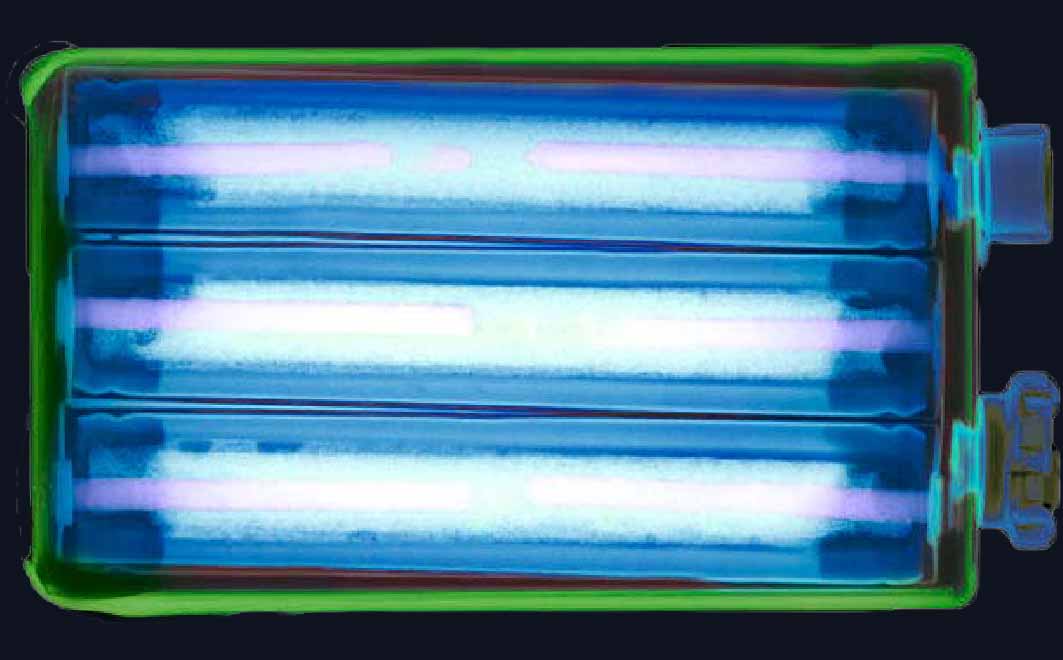
X-ray battery inspection solves this problem by analyzing the internal structure of the battery rather than its external appearance. The system evaluates internal features, material density, absorption patterns, and structural characteristics that are directly connected to battery chemistry.
Since 2018, LINEV Systems has been developing this approach into industrial battery sorting technology. BATTERAY™ uses X-ray recognition and AI-supported classification to identify battery chemistry, improve sorting purity, and help recyclers obtain cleaner fractions for downstream processing.
The fastest way to hear back from us is to fill the contact form below. One of our expert team will get back to you as soon as possible.